



















Table of Contents
- • Alison Courses Review Summary
- • Free Skills Platform Explained
- • Other opinions about Alison Courses
- • Overview of Alison Courses
- • How Broad; and Deep; Is the Course Catalog?
- • Free Learning Access and the Reality of Certification
- • Alison Courses Pros & Cons at a Glance
- • Who Benefits Most From Alison's Learning Model
- • What Learners Commonly Say About the Experience
- • Alison Courses Compared With Subscription and University-Affiliated Platforms
- • Verdict: Accessible Learning with Clear Credential Limits
- • Where to buy Alison Courses?
- • Conclusion of Alison Courses reviews & ratings
Alison Courses Review Summary
Alison Courses operates within the Education sector as a free-access, skills-based online learning platform offering structured certificates and diplomas. It generally performs well for learners prioritizing flexibility and subject variety over formal accreditation. The self-paced model and assessment requirements create a clear framework, though recognition of credentials may vary depending on professional context and industry expectations.
Highlights
- Audience Fit: Best suited for self-directed learners, career starters, and professionals adding practical skills without pursuing accredited degrees.
- Scope or Offering: Broad catalog of online courses across business, technology, health, and personal development with certificate and diploma tracks.
- Balanced Consideration: Free course access is a strength, but official certificates typically require payment and are not equivalent to university credentials.
- Overall Evaluation & Score: 8.2/10; Strong accessibility and structured learning design, tempered by credential recognition limits in regulated or academic pathways.
Within the broader online education landscape, the platform occupies a practical skills tier rather than a degree-granting role. Compared with subscription-based or university-backed providers, its advantage lies in open access, while trade-offs center on accreditation depth. A more detailed structural analysis is available in this editorial overview of platform positioning and limitations, offering additional context for readers weighing alternatives calmly and realistically.
Free Skills Platform Explained
Paying thousands for a degree isn't realistic for everyone, yet employers still expect proof of skills. Many learners end up juggling YouTube tutorials, blog posts, and half-finished courses without any structured path or certificate to show for their effort.

Alison Courses is a free online learning platform focused on vocational training and workplace-ready skills. Instead of offering full academic degrees, it delivers short certificate and diploma programs in areas like IT, business, health, and personal development; positioning itself as a budget-friendly alternative to traditional colleges and higher-priced MOOC providers. It operates squarely in the micro-credential space, where practical application matters more than academic prestige.
Founded in 2007 in Ireland, the platform reports serving tens of millions of learners across 190+ countries with thousands of CPD-accredited courses. Its strong public ratings on review platforms and broad international reach signal sustained adoption, particularly among entry-level professionals and career changers seeking accessible upskilling.
Still, free access comes with trade-offs. Certificates require payment, ads appear on the free tier, and course depth varies depending on the subject. For learners seeking structured, low-cost skill building, Alison can be useful; but those needing accredited degrees or intensive mentorship may find its limits quickly.
Other opinions about Alison Courses
Opinions and insights gathered from trusted review articles and authoritative websites covering Alison Courses.
Overview of Alison Courses
Alison Courses is a free online learning platform operating within the global Education sector, specializing in vocational training and workplace skills development. It delivers web-based certificate and diploma programs across fields such as business, technology, health, and personal development. The platform functions as a digital micro-credential provider rather than a degree-granting academic institution, distributing content directly through its website and mobile applications.
The company was founded in 2007 in Galway, Ireland, by social entrepreneur Mike Feerick. It operates as an independent education technology platform built around an open-access model, where course content is free to study while revenue is generated through advertising, premium subscriptions, and paid certification. Its structure reflects a hybrid model that combines large-scale digital course publishing with optional credential services.
Alison reports serving tens of millions of learners across more than 190 countries and hosting thousands of CPD-accredited courses. Offerings include short certificate programs, longer diploma tracks, and structured learning paths delivered entirely online. While widely accessible, the platform does not confer accredited university degrees, positioning it within the non-degree online education tier frequently examined in an Alison Courses Review.
How Broad; and Deep; Is the Course Catalog?
Offerings range from short certificate courses to longer diploma tracks, typically structured in a modular, self-paced format. That flexibility increases accessibility for global learners, though it also requires consistent self-motivation. Most subjects focus on entry-level to intermediate material, with limited evidence of advanced academic specialization. Instructor visibility can vary by course, reinforcing its positioning as a skills-access platform rather than a graduate-level institution.

Free Learning Access and the Reality of Certification
Certificates and diplomas are available after successful completion, but official documents generally require payment. That creates a clear trade-off: study materials are open, yet formal proof of completion is monetized. There is also no indication of automatic academic credit recognition, reinforcing the platform's role as a skills-development resource rather than a degree-granting institution.
Alison Courses Pros & Cons at a Glance
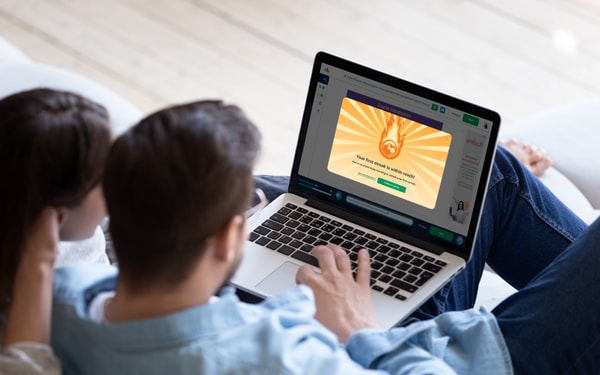
Alison Courses stands out for making structured online learning widely accessible, especially for individuals seeking flexible, self-paced study. The platform supports independent progress through assessment-based coursework and offers certificates or diplomas upon completion, which can add value for learners building foundational skills.
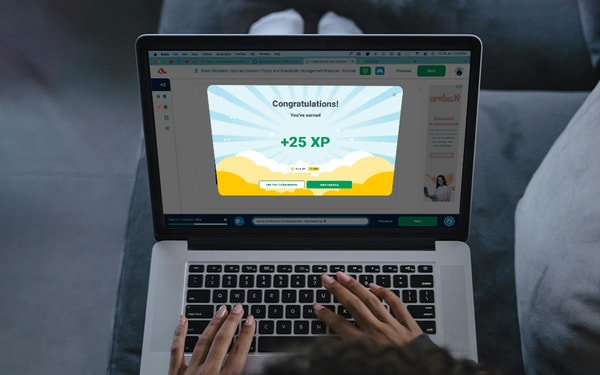
At the same time, its credential model reflects clear boundaries. While course access is free, official certificates generally require payment, and there is limited indication of accredited degree pathways. For users expecting university-level specialization or formal academic recognition, those limitations are important to weigh carefully.
- • Free Access To Large Course Catalog
- • Self-Paced Learning Flexibility
- • Wide Subject Variety Across Practical Fields
- • Assessment-Based Course Completion
- • Certificate And Diploma Options Available
- • No Geographic Enrollment Barriers
- • Suitable For Entry-Level Skill Building
- • Certificates Typically Require Payment
- • Limited Indication Of Accredited Degree Pathways
- • Depth May Not Match University-Level Specialization
Who Benefits Most From Alison's Learning Model
It is particularly practical for budget-conscious users who want resume-ready skill signals in fields where formal degrees are not mandatory. Those pursuing accredited university programs or regulated licensure, however, may find the platform insufficient, as it is not positioned as a substitute for degree-granting institutions.
What Learners Commonly Say About the Experience
More critical commentary tends to focus on certificate costs and the limits of formal recognition compared with accredited institutions. Satisfaction appears closely tied to expectations: learners seeking affordable knowledge access generally report positive experiences, while those expecting university-level credentials may find the model less aligned with their goals.
Alison Courses Compared With Subscription and University-Affiliated Platforms
Credential recognition and course depth also tend to vary. University-backed platforms typically emphasize institutional affiliation, instructor visibility, and potential academic rigor, whereas Alison centers on self-paced, assessment-based coursework with optional paid certificates. The contrast highlights its positioning as an open-access, skill-first resource rather than a direct substitute for accredited higher education pathways.
- Free enrollment across most courses
- Self-paced, assessment-based structure
- Optional paid certificates and diplomas
- Focus on foundational and vocational subjects
- Limited indication of accredited degree pathways
- Subscription or tuition-based access models
- Often affiliated with universities or institutions
- Greater emphasis on academic rigor
- Instructor and institutional visibility typically clearer
- Credentials may carry formal academic recognition
Verdict: Accessible Learning with Clear Credential Limits
The trade-off centers on credentials. While certificates and diplomas are available, they typically require payment and do not carry the same weight as accredited university degrees. Its value ultimately depends on individual goals, particularly whether the priority is affordable skill development or formal academic recognition.
Where to buy Alison Courses?
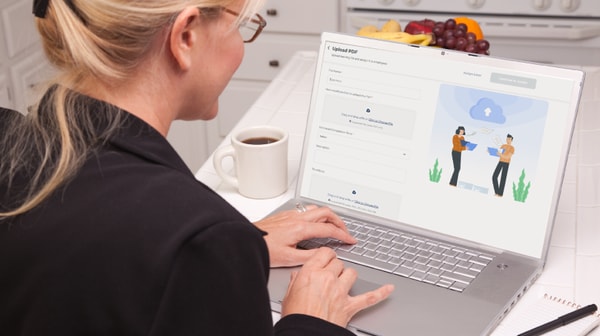
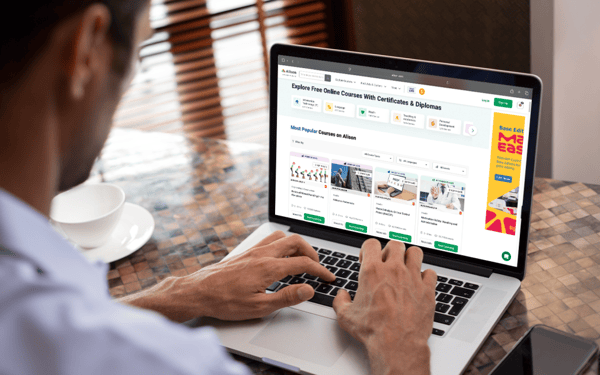
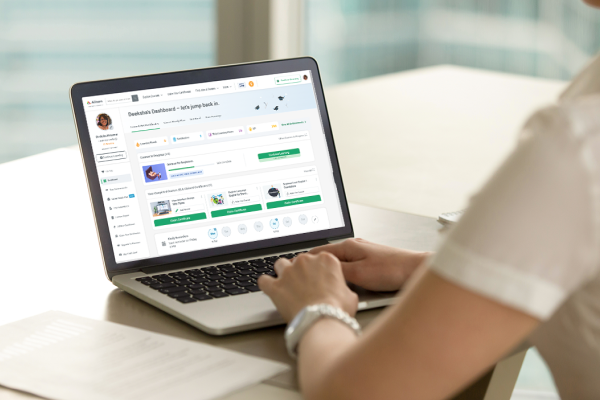
When deciding where to enroll, most learners want assurance that course access and certification records are legitimate. Alison Courses are officially available through alison.com, where users create accounts, track progress, complete assessments, and request certificates within a centralized system. The platform outlines its course structure and credential process transparently, which helps reduce confusion around completion requirements. While third-party mentions may exist, enrollment and certification handling are most reliably managed directly through the official website.
Conclusion of Alison Courses reviews & ratings
Alison Courses is generally best suited for self-directed learners seeking flexible, low-cost access to practical skills rather than formal academic credentials. Through alison.com, users can study a wide range of subjects at their own pace, making it a reasonable option for career starters or professionals adding supplementary knowledge. Those who require accredited degrees or licensing-based qualifications, however, may find the certification model limited, as recognition depends largely on employer expectations.

Within the broader online learning landscape, the platform occupies a skills-access tier focused on structured, assessment-based coursework without university affiliation. Its account system, progress tracking, and transparent certificate process contribute to operational consistency, as outlined in this independent editorial breakdown of the platform's structure and limitations. That positioning makes it a practical educational resource when used with clear expectations about scope and recognition.
Editorial notes reflect aggregated buyer feedback and our independent editorial review of publicly available information. They are for informational purposes only and do not constitute endorsements. Purchases are made at your own discretion, and we are not responsible for transactions or outcomes related to this store. Experiences may vary. This content is assisted by AI and reviewed by our editorial team. While we strive for accuracy, AI-supported information may not always be 100% precise, so please verify any critical details.

